Top Industrial Contracting Solutions in Saudi Arabia
June 21, 2026
How Skilled Manpower Drives Project Success
June 21, 2026
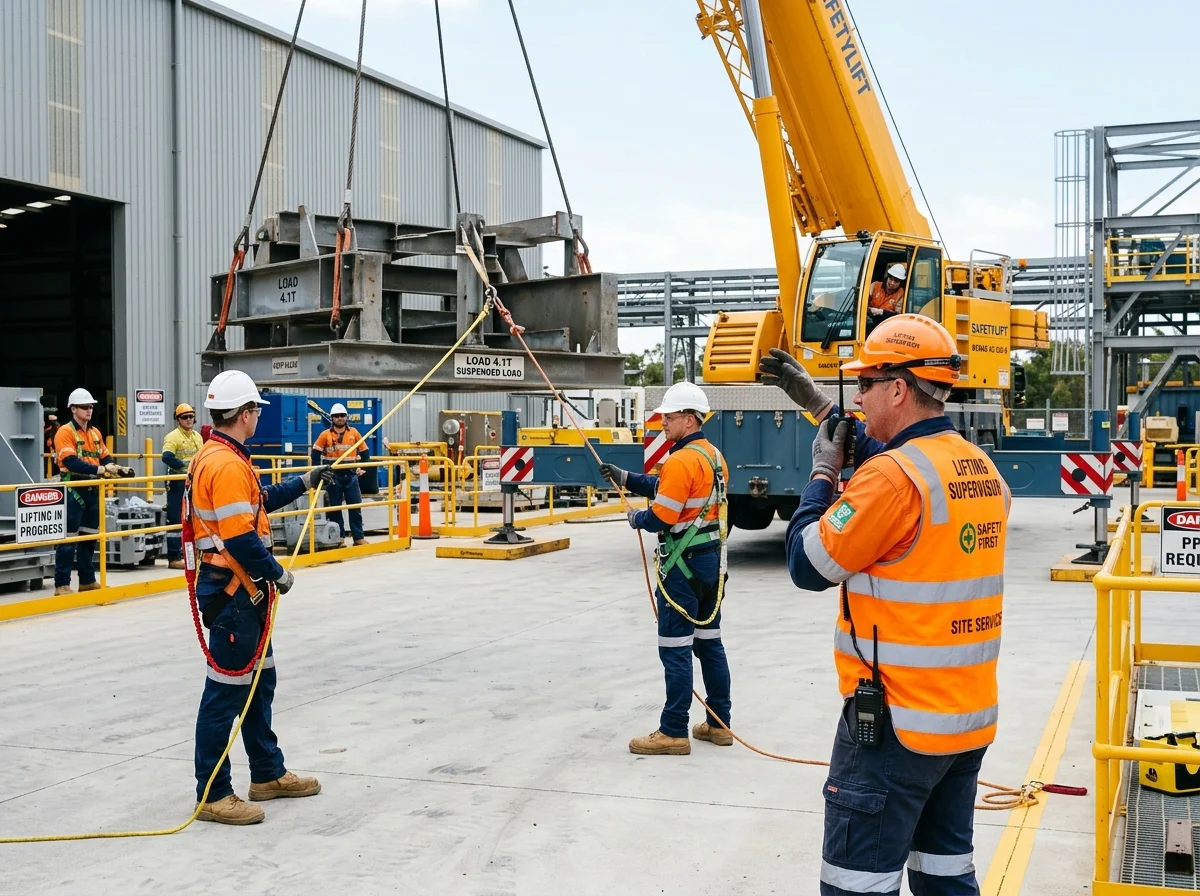
Ensuring Safety Excellence in Lifting Operations
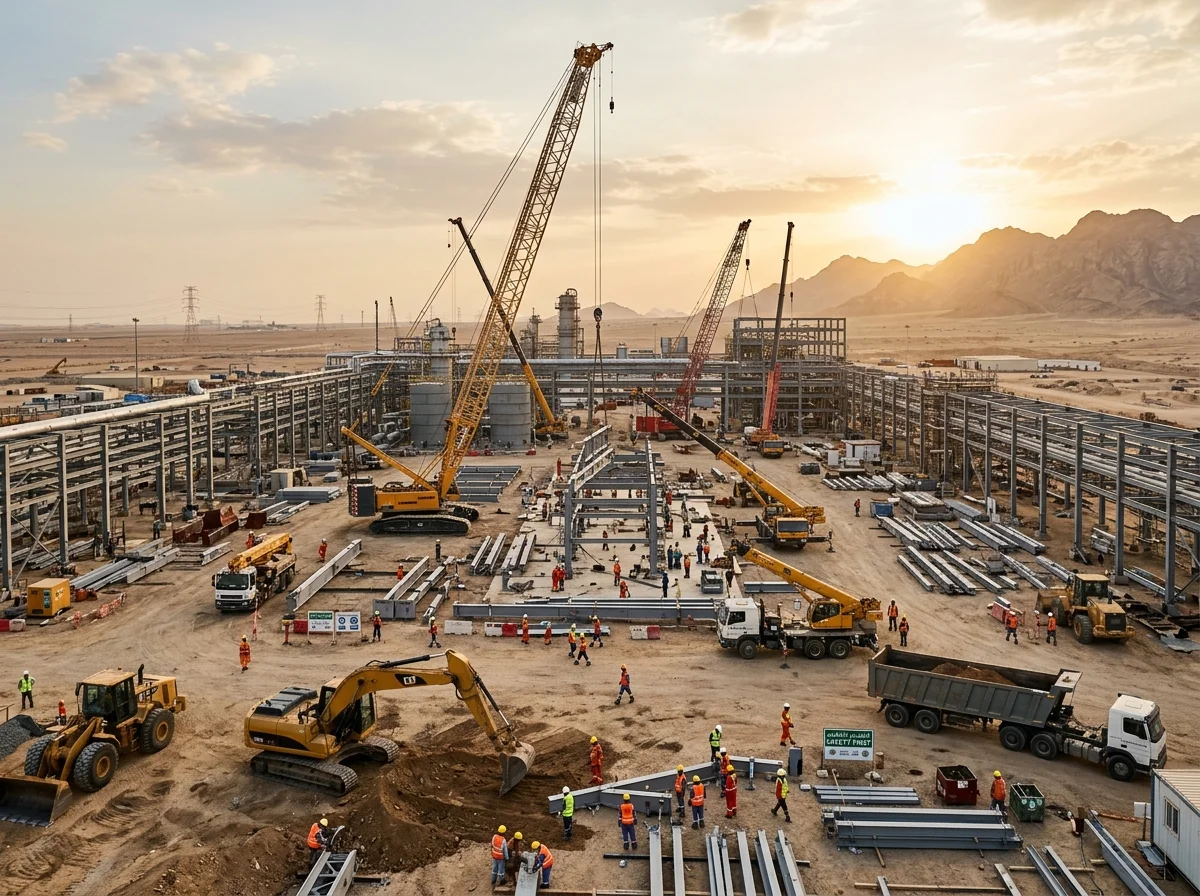
Lifting operations are among the most critical and high-risk activities in industrial environments. Whether it involves cranes, rigging equipment, or heavy material handling, maintaining safety excellence is essential to protect workers, equipment, and project timelines.
A key factor in safe lifting operations is proper planning. Every lift, especially complex or heavy lifts, should begin with a detailed lift plan. This includes assessing load weight, selecting appropriate equipment, identifying potential hazards, and defining clear procedures. A well-prepared plan minimizes uncertainty and ensures smooth execution on-site.
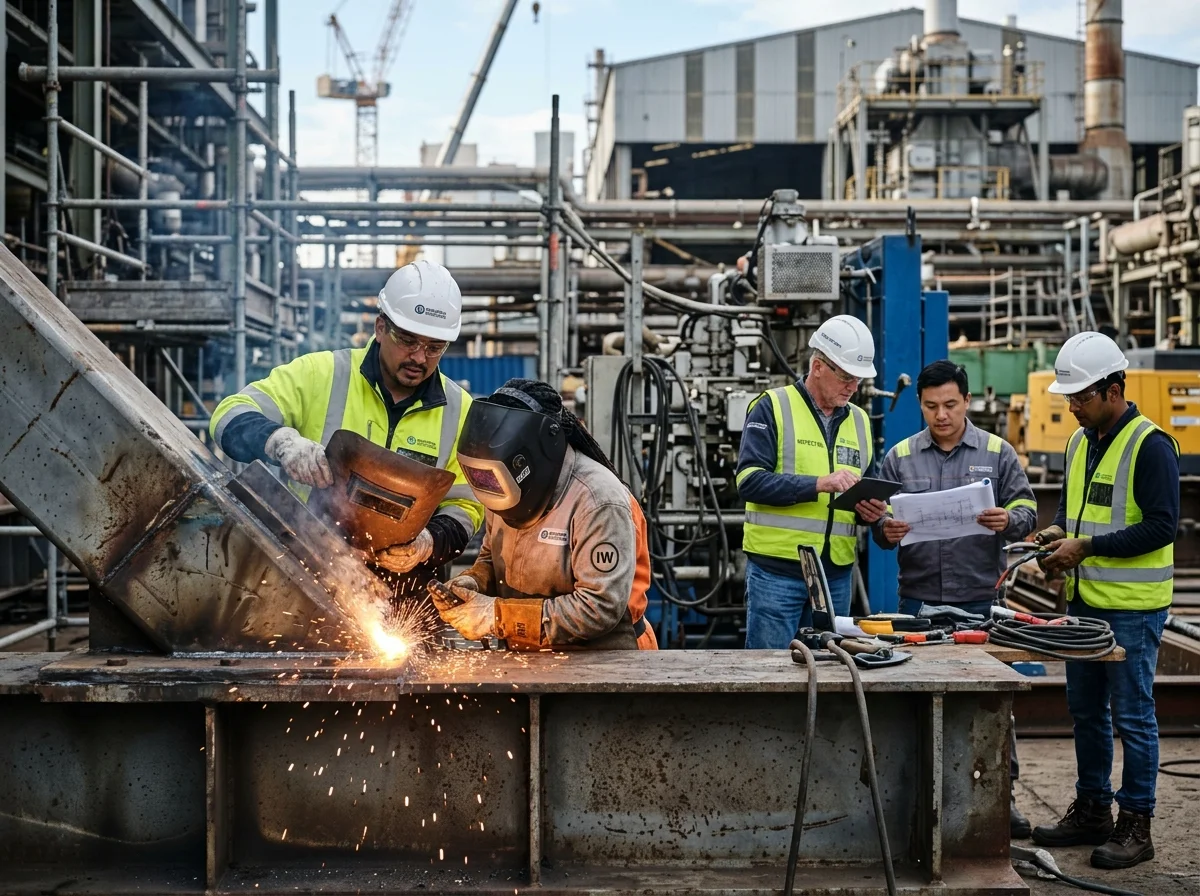
Equally important is the role of skilled personnel. Certified lifting supervisors, riggers, and crane operators bring the expertise required to manage operations safely. Their understanding of load dynamics, signaling methods, and equipment limitations helps prevent accidents and ensures precise coordination throughout the process.
Equipment inspection and maintenance also play a crucial role in safety. All lifting gear, including cranes, slings, hooks, and shackles, must be regularly inspected and certified. Using faulty or worn-out equipment can lead to serious incidents, making routine checks and preventive maintenance non-negotiable.
Communication is another vital component of safe lifting operations. Clear and standardized signaling between the lifting team ensures that everyone involved understands their role. Miscommunication can lead to dangerous situations, so using proper hand signals or communication devices is essential for maintaining control during lifts.
In addition, adherence to international safety standards and regulations is necessary for maintaining consistency and reliability. Leading companies implement strict safety protocols, conduct regular training sessions, and promote a safety-first culture among their workforce.
Environmental factors must also be considered. Weather conditions such as high winds, poor visibility, or uneven ground can significantly impact lifting operations. Assessing site conditions before and during the lift helps in making informed decisions and avoiding unnecessary risks.
Ultimately, ensuring safety excellence in lifting operations requires a combination of planning, skilled manpower, reliable equipment, and effective communication. By prioritizing these elements, companies can reduce risks, improve efficiency, and create a safer working environment for everyone involved.